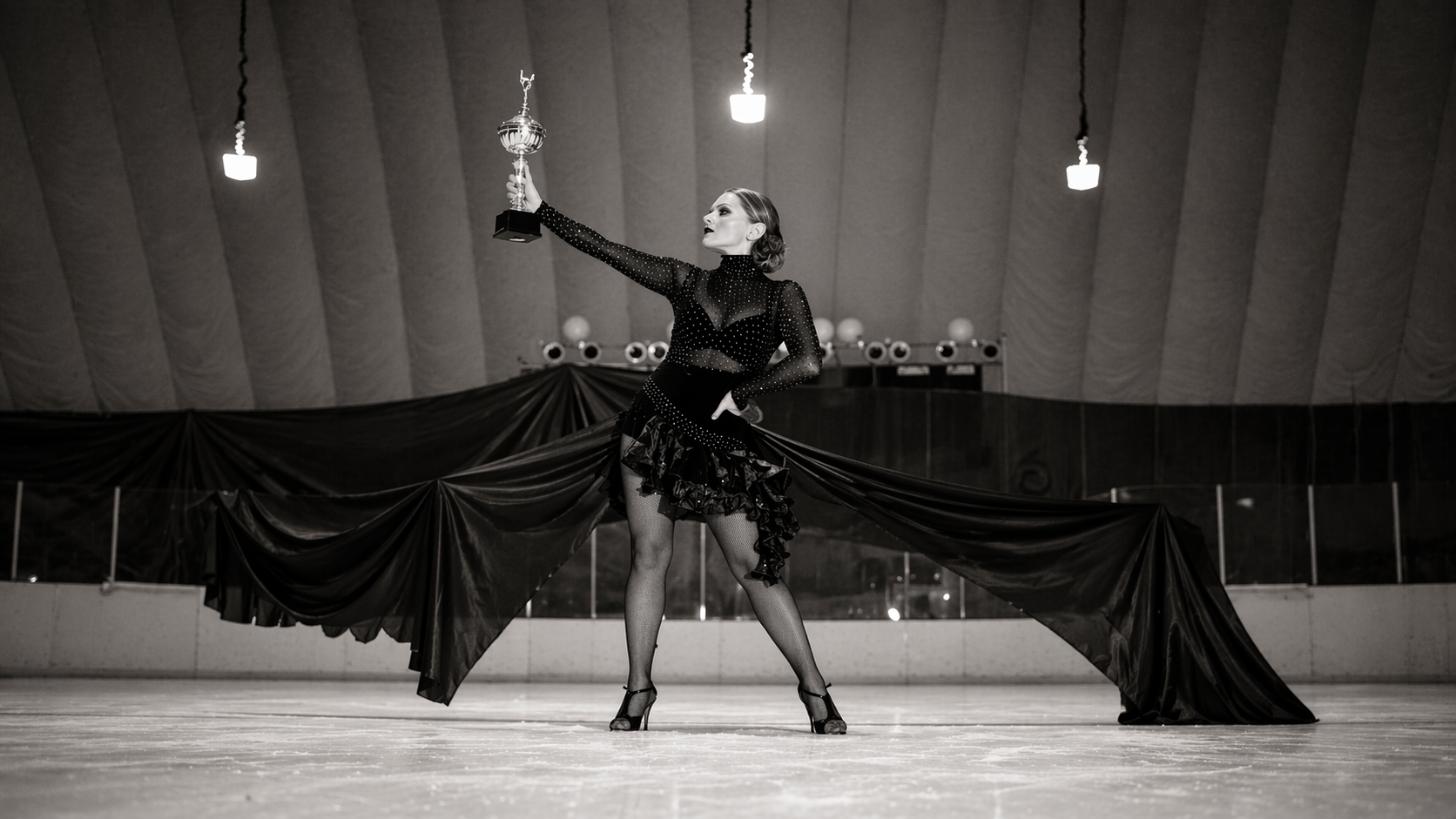
Understand why some pieces stay with you, while others are forgotten instantly, and how to choreograph pieces that capture your heart and soul.
The Art of Being a Great Choreographer
A great choreography leaves an impression on the audience. It tells a story. It brings the dance to life and shows the harmony of sound and movement. A great routine will elevate a dancer to their next level and allow them to discover who they truly are. Learn how to choreograph a memorable number regardless of the level or format of the routine.
An 8-week course for seasoned professionals and first-time choreographers ready to elevate their skills and define their unique creative style.
Discover your own “it” factor.
What You Will Learn
How to structure a compelling piece
How to use music intentionally
How to choreograph for solos, couples, and teams
How to direct dancers effectively
What Makes This Course Different
Most choreographers rely on instinct. You will learn a repeatable creative process—so you’re not guessing every time.
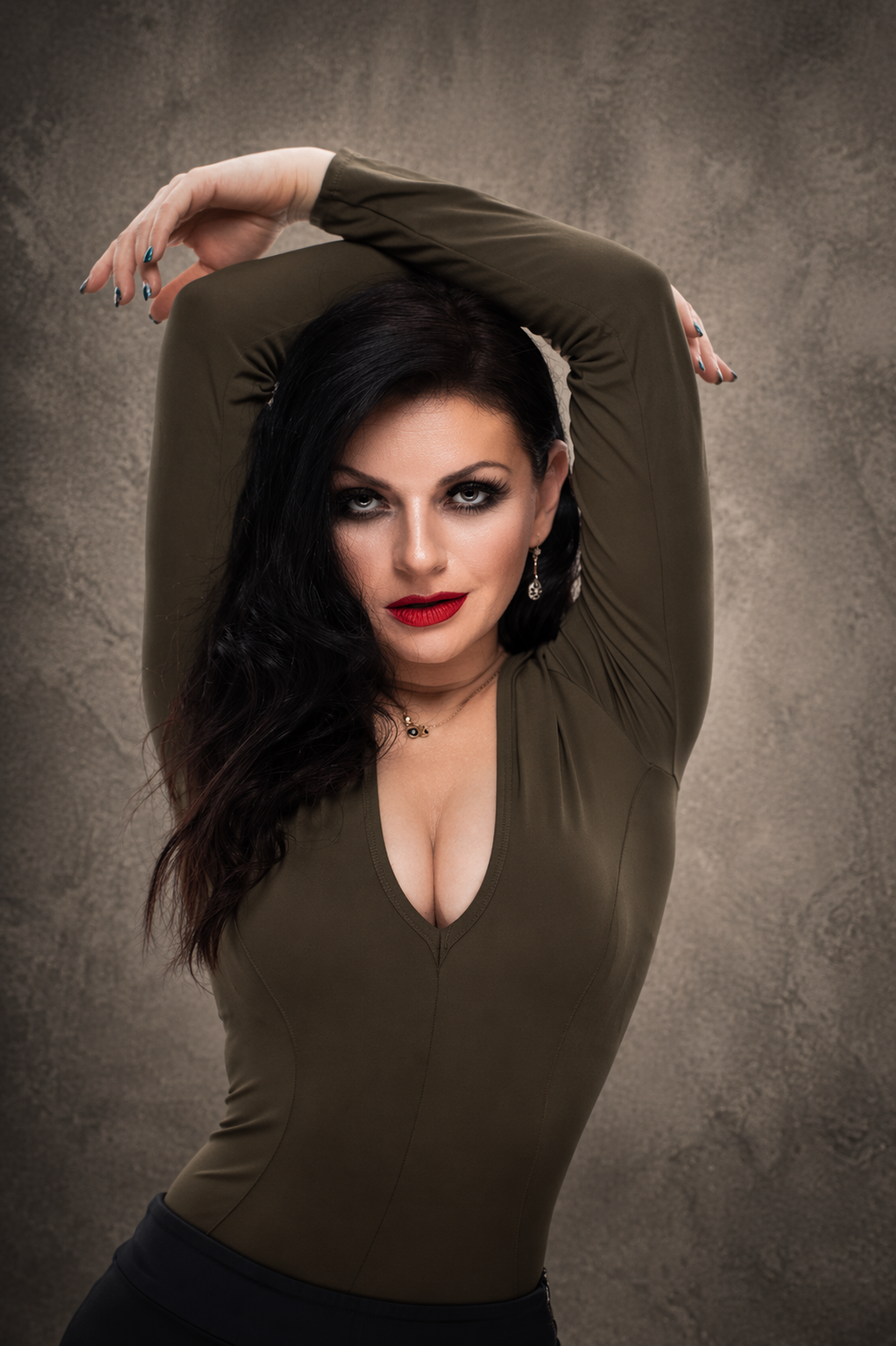
A Note From Anya
What makes a choreography successful? Why do some pieces stay with you while others are forgotten the moment they end?
Most dancers approach choreography through instinct.
And while instinct matters, it’s not enough.
There is a process.
In this program, I’ll teach you how to understand what makes choreography work—
how to build it, shape it, and adapt it for any dancer, any setting, and any piece of music.
We’ll focus on what actually defines strong choreography:
Structure, musicality, and composition
Creating for solos, couples, and teams
Developing ideas and translating them into movement
Refining your style without copying others
This is not about giving you steps.
It’s about teaching you how to create.
By the end, you won’t be guessing your way through choreography—
you’ll know how to build something that holds attention and delivers impact.
How It Works
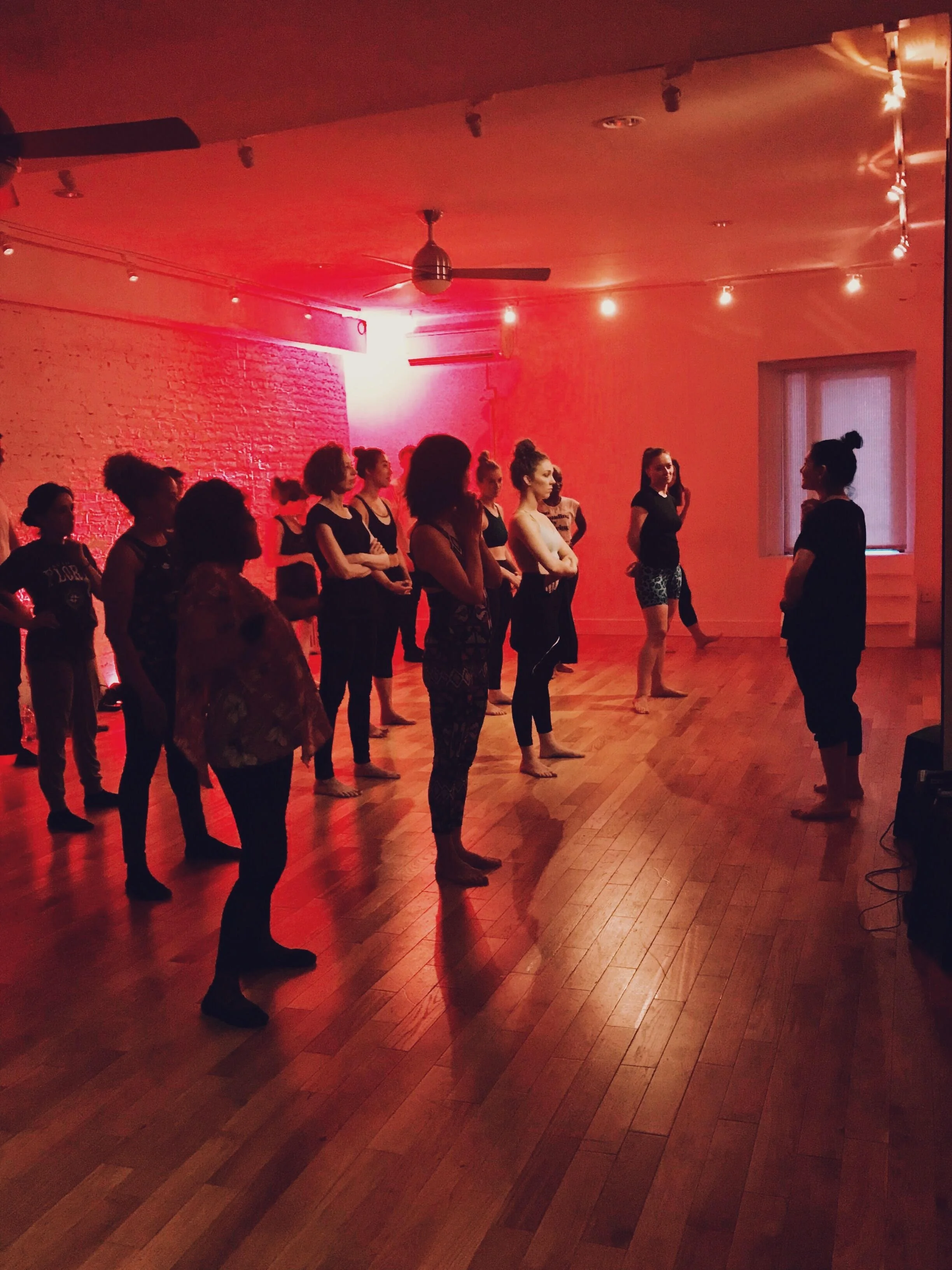
The Art of Being a Good Choreographer is an 8 week virtual, online program.
-
Class is delivered via a private Facebook group. Training sessions are pre-recorded and available for you to watch at your own pace.
-
All participants in the program receive weekly homework assignments and personal feedback from Anya. Each participant will also take a practice exam during Weeks 7 & 8 of the program: You will choose a specific piece of music to create choreography to and be evaluated on your work, with the opportunity to correct yourself and do better in the moment, so that you can maximize your growth as a choreographer and learn the most during this experience.
-
In addition to one-on-one guidance and feedback from Anya throughout the program, you will also receive support and community via a private Facebook group where you can ask questions, share your experience, and request additional feedback on your assignments.
-
Week 1: What is a Good Routine?
We will begin by Breaking down choreographies, looking at what makes them good, what makes them bad, and how can they be better.
We will work on identifying the responsibility of the choreography instead of the dancer. We will learn tools that include structure, musical ideas, spacing, audience response and format to help formulate a good routine
Week 2: Understanding How to Work With the Music and be Musical with Choreography
In this week we will apply the tools to help us create good choreography. We will work with music theory, staging, spacing, effects and events within movement and music. I will teach you how to properly utilize all of the resources that make a good routine.
Week 3: How Do I Come Up with an Idea?
This week we will dive deep into creativity, what is it and where it comes from, and how can you have it with and without inspiration.
We will talk about commonly made mistakes and good practices needed to enhance and tap into your creative centers. We will apply your creativity into choreography building.
Week 4: How to Customize a Routine for Yourself & OthersWe will discuss how to customize routines for different styles, genres, and desires.
We will talk about tools needed for monetizing your choreography skills and satisfying customers.
We will identify different nuances in choreography, for example:What is a good competition routine vs performance?
How is staging a show for a theater different from a congress and so on?
How do we create for a solo vs a couple vs a team?
We will learn tools to help us create for any desired circumstance, person, talent, or music.
Week 5: How to Manage Your Talent and Develop Your Style
In this week we will uncover how to manage your talent and develop your style. How can you remain relevant for many years? How can you produce good material without growing stale or copying others? How can you fully develop your own styles? We will cover all these questions and more.
Week 6: Dynamics and How They Impact Choreography
In this week we will learn energy dynamics, typically expressed in good performers. When you have a good understanding of dance dynamics and accents, you can enhance movements to create different choreography impactful moments.
Understand the ebbs and flow and how to create it in your body and use it for choreography.
We will work with personal and musical intonations and use it for choreography creation and interpretation.
Week 7: Practice Exam
Each person will be asked to choose a piece of music and use their new tools to create something to it. The routine you make will represent you and be made for you to your own choice of music.
It will be shorter than a full-length piece, so that during the class we can go over your process and your product together. I will also personally help you refine your process.
Week 8: Final Live Choreography Challenge
For our final session together, I will assign a piece of music and intention for everyone to create to and challenge you to create for the given task. During the class we will go over your process and your product, and I will refine your progress through my feedback.
Frequently Asked Questions
-
The Art of Being a Great Choreographer is an in-depth program for dancers and artists of all levels of their creative journey, including seasoned and working professional artists, instructors, teachers, and studio owners, as well as new beginners and those choreographing for the first time. As a member of the program, you will receive knowledge, tools, coaching, and support to help you take your skills as a choreographer to the next level and fully define your style as an artist, choreographer, and creator.
-
Anya will work with each participant individually to support them in selecting the piece of music they will choreograph to during the final weeks of the program. Don't worry if you've never choreographed before! Anya will support you each step of the way, from identifying the piece of music, connecting to it creatively, and building a piece that enhances the musicality and the dancer.
-
Yes! Anya will break down her own creative process and explain how she makes choreography choices, as well as how her process changes for different types of situations, music, environments, and number of people. This is a very special and unique part of the program!
-
This course has a one time payment option as well as the option to use a payment plan! See more on the checkout page.